
Saudi Arabia's Red Sea: Islands, Coral Reefs, and a New Coastline to Explore
The Red Sea in Saudi Arabia offers clear water, coral reefs, islands, deserted shores, and a new generation of resorts. Travel here revolves around the sea, nature, and a sense of space far from the big cities.
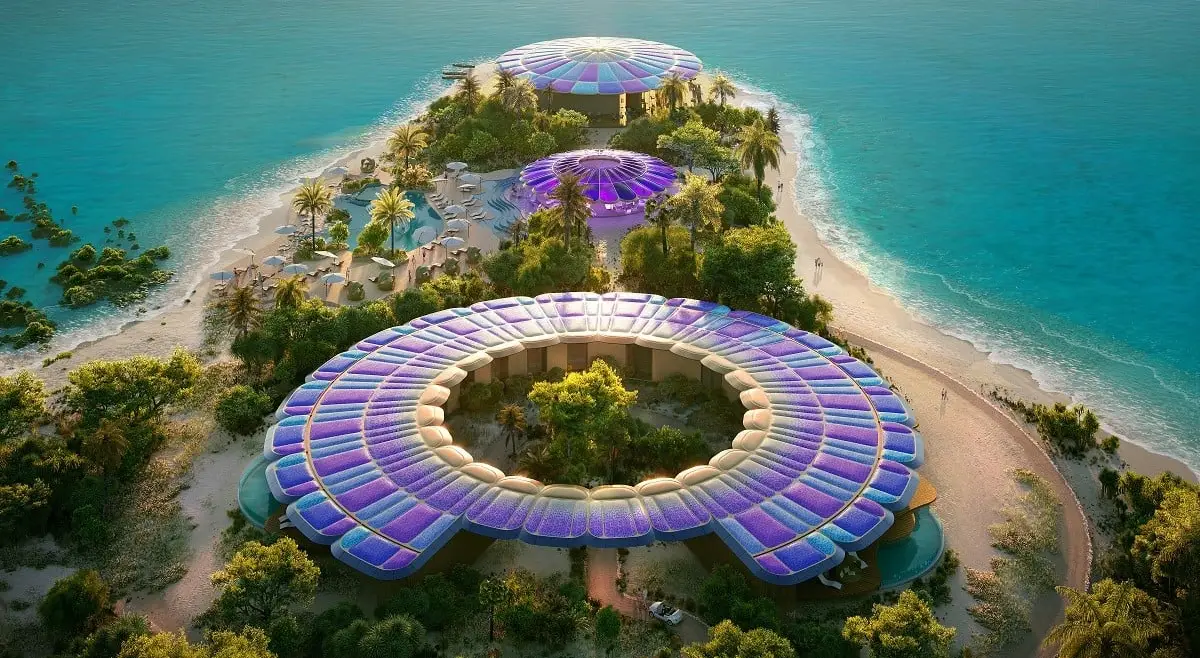
Yes, it's better to make the article more lively and magazine-like: not only informative text, but also atmospheric transitions, and under each photo, a short caption that continues the story and explains what the reader is seeing.
Below is a reworked version for RichText. Paste it as normal text, make the headings H2, then replace the [ФОТО ...] tags with images, and leave the line after the photo as a caption.
Sometimes a journey doesn't start with a city, a museum, or a famous monument.
Sometimes it all starts with the horizon.
From a thin strip of water that almost merges with the sky in the morning. From a boat slowly moving away from the shore. From islands that from afar appear as bright spots in the deep blue sea.
The Red Sea on the west coast of Saudi Arabia is just such a destination.
Here the rhythm of the journey changes almost immediately.
After big cities, roads, architecture and a busy program, space becomes the main impression in itself.
Sea.
Deserted shore.
Islands.
Coral reefs.
Silence broken only by wind and water.
And the longer you stay on the coast, the more you realize: it's worth coming here for more than just one specific attraction. The very combination of sea, desert, and light becomes the highlight of the journey.
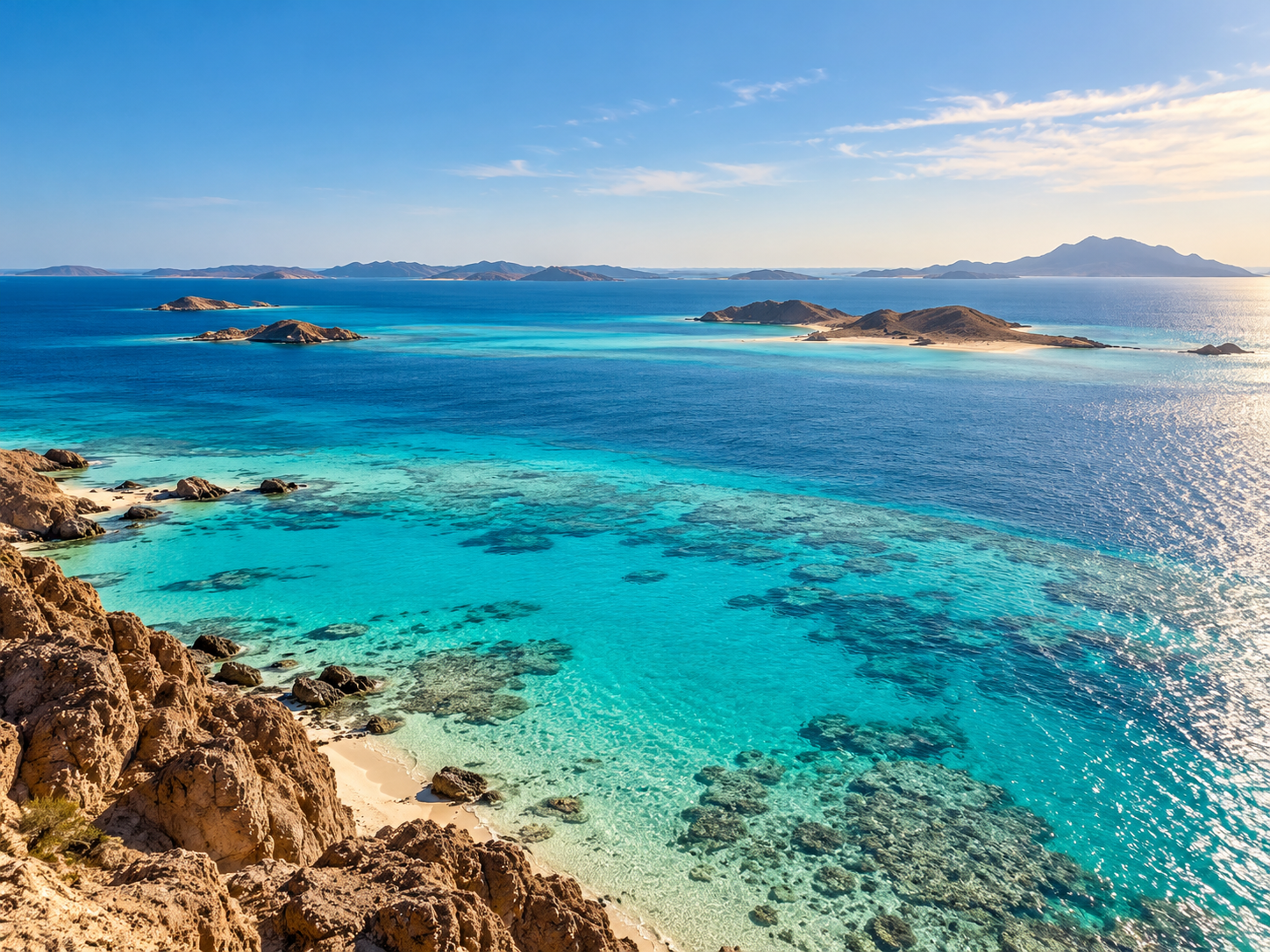
The Red Sea here seems almost endless: the clear water near the shore gradually becomes deeper and darker, and small islands dissolve into the hot air on the horizon.
A coastline that lives to a different rhythm
Saudi Arabia's Red Sea coast has long remained far less familiar to international travelers than popular resort areas in other countries in the region.
This is why the sense of space is particularly noticeable here.
In some areas the coast appears almost untouched.
The dry land comes close to the water. Sand and rock give way to bright beaches. Beyond them, the sea begins, hiding coral reefs and entire underwater ecosystems.
This landscape lacks the usual tropical splendor.
Here beauty is built differently.
On simple lines.
In contrast to the blue sea and the warm land.
In the sunlight, which completely changes the color of the coast during the day.
In the morning the sea can appear almost silvery.
During the day it turns bright turquoise.
And closer to the evening, golden and copper shades appear.
It is precisely these changes that make even an ordinary day by the water visually very rich.
Islands where the sense of the city disappears
One of the region's greatest strengths is its islands.
Sometimes they seem quite small: light sand, low vegetation and water on all sides.
But it is here that the distance from the urban environment is particularly felt.
As the boat moves away from the mainland, roads, buildings and noise gradually disappear.
All that remains is open water.
The wind is getting stronger.
The horizon is wider.
And travel begins to be perceived completely differently.
Such islands do not necessarily require a complex program.
Sometimes it’s enough to land on the shore, walk a few hundred meters along the water and just watch the color of the sea change.
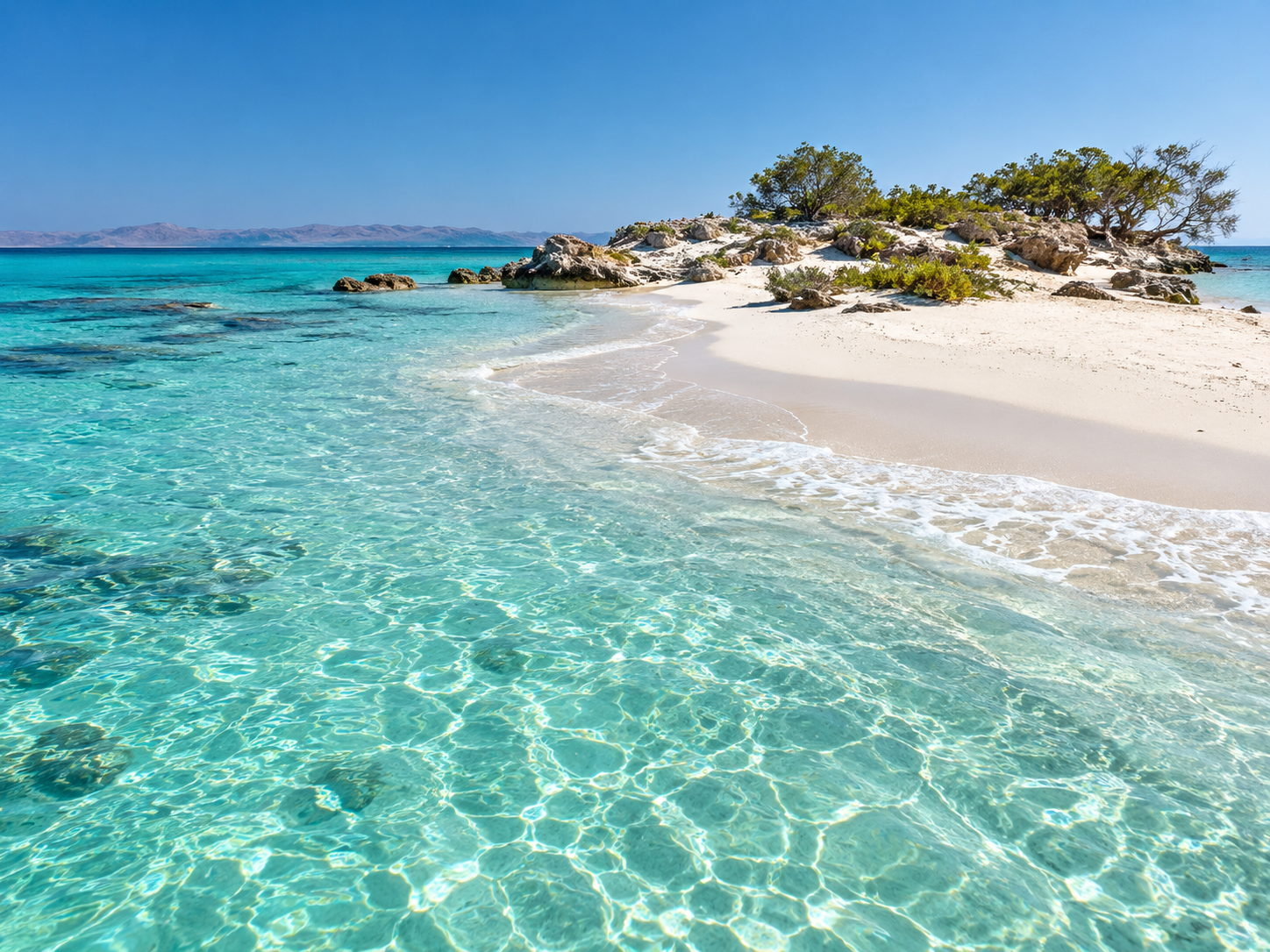
The small island in the middle of the Red Sea looks almost deserted: a few footprints in the sand, clear water, and a boat that seems to be the only connection to the mainland.
Coral reefs – another world beneath the surface
The Red Sea is famous for more than just its scenery.
The region's main wealth is often hidden under water.
Coral reefs create a completely different world that cannot be experienced simply by being on the shore.
Just dip your face into the water while snorkeling and the landscape changes instantly.
Beneath the surface, shapes, colors and movement emerge.
Small fish pass between the corals.
Sunlight penetrates the water and creates ever-changing patterns.
Further from the shore, the reefs can become much deeper and more complex.
For divers, the Red Sea has long been one of the most interesting regions in the world.
But even a simple walk with a mask and snorkel can become one of the main experiences of the entire trip.
However, such beauty requires caution.
Corals are a living and very fragile system.
They must not be touched, broken or used as support.
The best way to see this world is to observe it from the outside and leave behind only traces in the water.
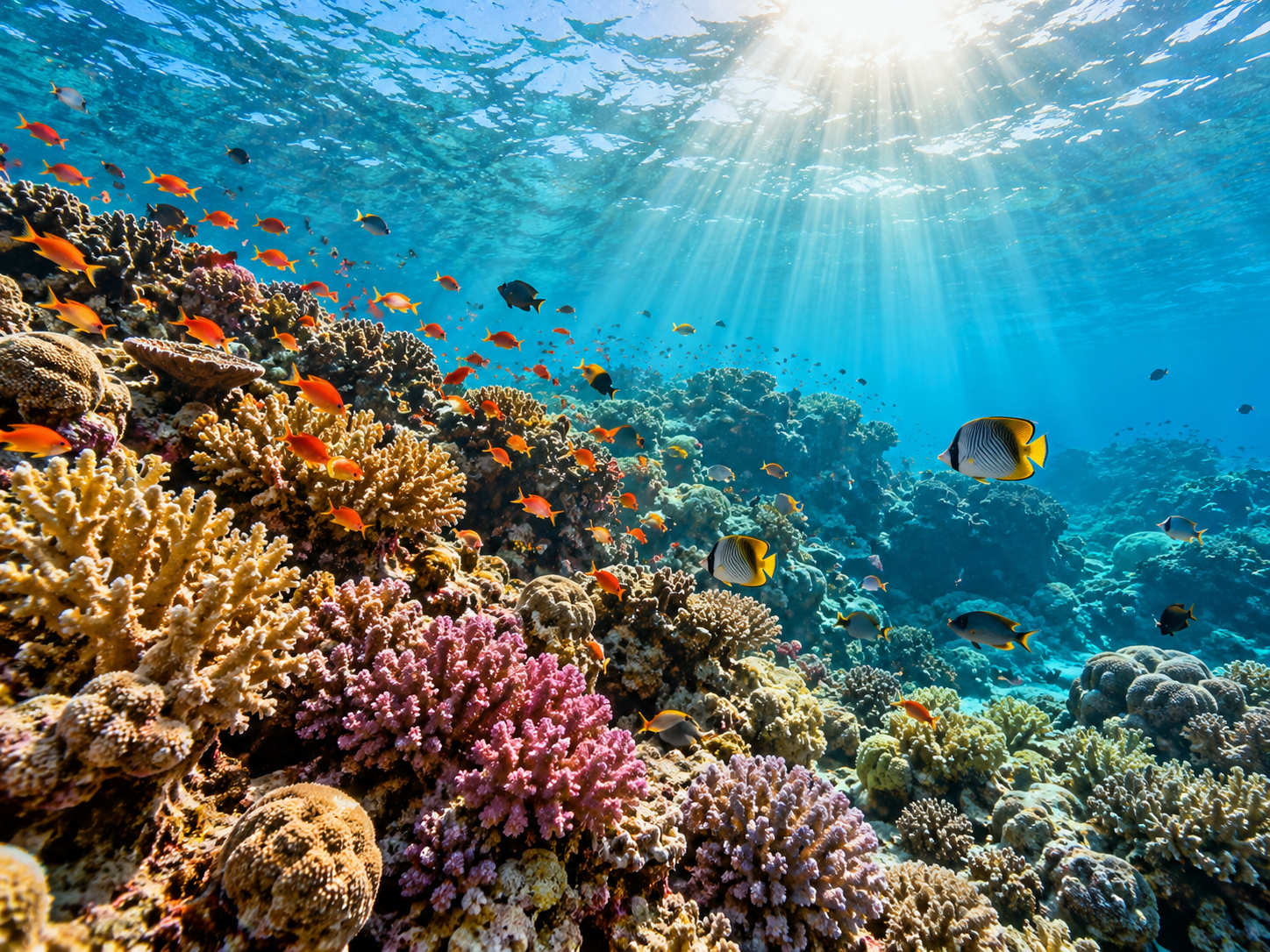
Beneath the surface of the Red Sea, a completely different Saudi Arabia begins – quiet, vibrant, and almost invisible from the shore.
Where the sea meets the desert
One of the most unusual coastal landscapes appears where the sea line practically collides with the desert landscape.
There are no dense forests.
There are no green hills.
Instead, there is rock, dry earth, sparse vegetation and a huge sky.
Against the backdrop of such harsh nature, the sea seems even brighter.
This contrast is especially beautiful towards sunset.
As the sun sinks toward the horizon, the desert surface turns golden, then copper, and then gradually fades into shadow.
At this time the water takes on a deeper shade.
For a few minutes, the entire landscape turns into an almost monochrome composition of gold, blue and dark silhouettes.
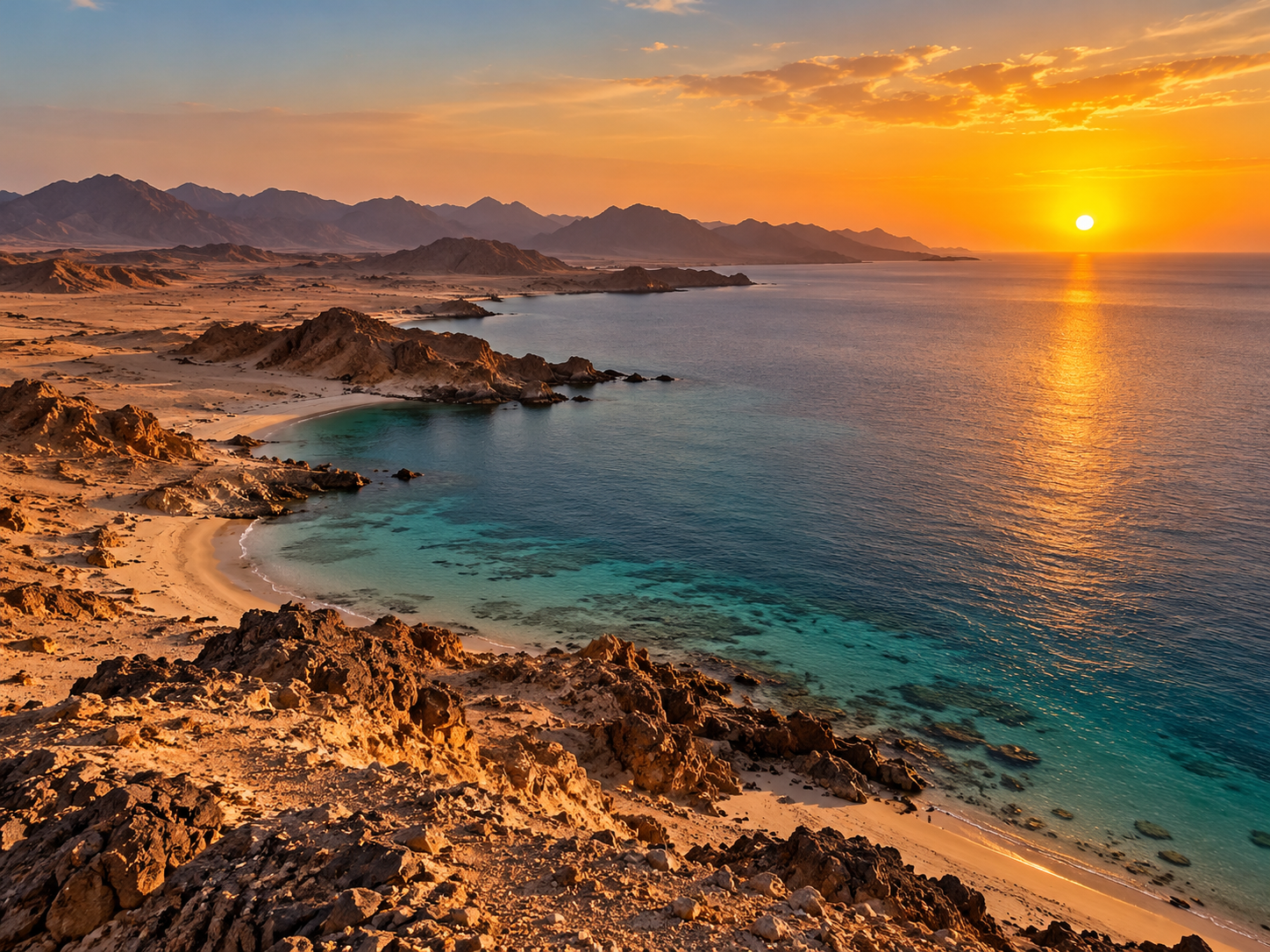
As the sun sinks lower, the boundary between the desert and the sea becomes especially pronounced: the warm land reflects the sunset, while the water remains a cool blue.
New Coast of Saudi Arabia
Today, the Red Sea region is gradually becoming one of the country's new tourist zones.
Modern resorts, sea routes and infrastructure for travelers are being created here.
But the most interesting thing is the approach to relaxation itself.
Instead of vast city embankments, attention often shifts to islands, natural bays, and more relaxed travel formats.
It changes the very feel of the resort.
You are not coming to a city by the sea.
You come right to the sea.
And it becomes the center of the entire trip.
In the morning - water.
During the day - shade and rest.
After lunch - boat or snorkeling.
In the evening - sunset.
Such a simple rhythm can be much richer than it seems.
A day where there is no need to rush
There are destinations where the traveler constantly feels like he is missing something.
The Red Sea is the opposite of this feeling.
It is not necessary to make a program by the hour here.
One good day can consist of just a few moments.
Early exit to the water.
Boat trip.
A few hours at the reef.
Dinner.
Silence during the hottest period.
And then back to the sea before sunset.
It's at this slow pace that you begin to notice details that are easy to miss on a more action-packed trip.
How the wind changes.
How light passes through water.
How an island in the morning and the same island in the evening look completely different.
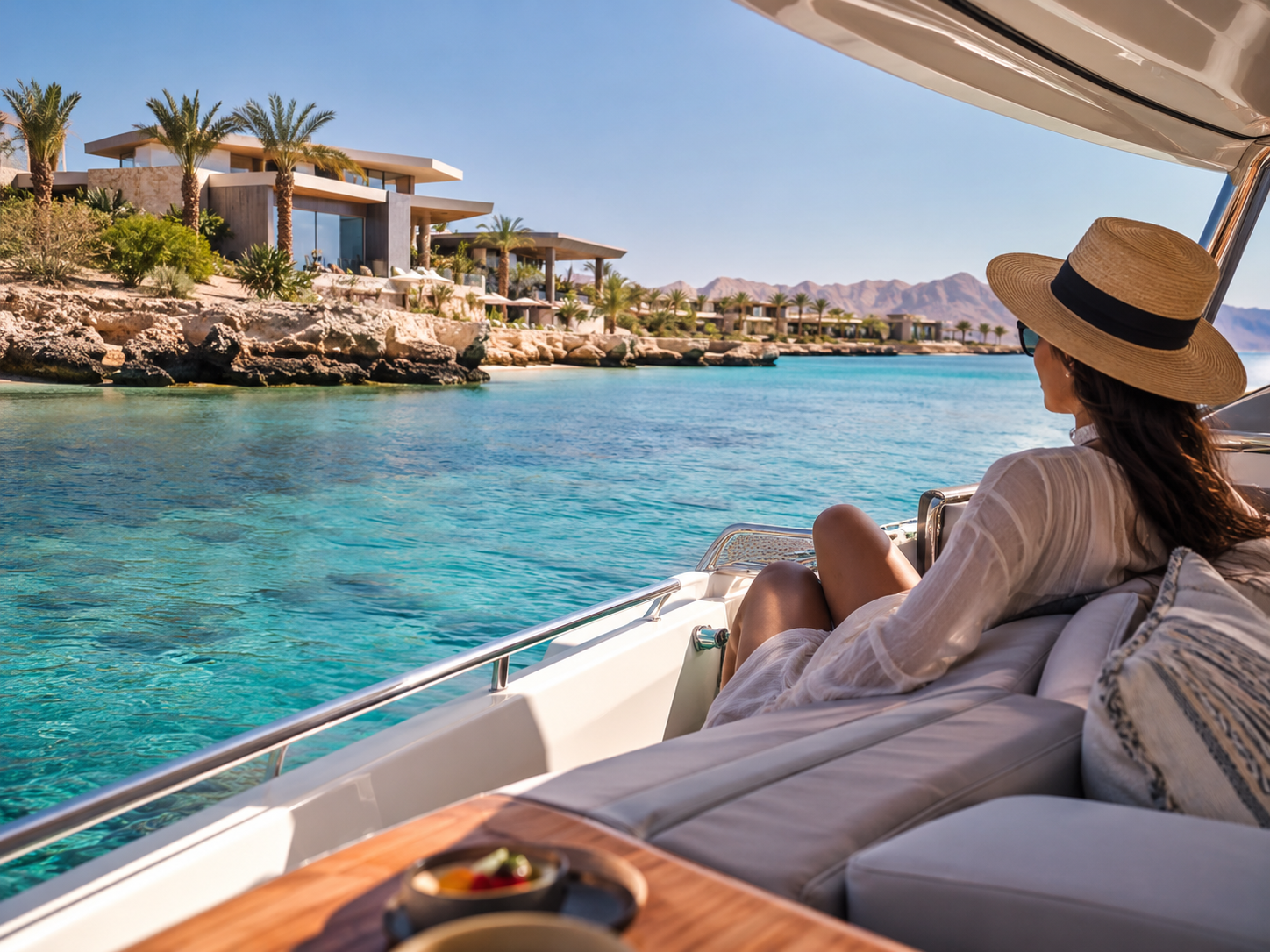
Here, relaxation is built not around a schedule, but around the sea: a boat in the morning, shade during the day, and a quiet evening by the water.
When is the best time to go?
The coast can be visited at any time of year, but the nature of the trip will depend on the temperature, wind and sea conditions.
During the hottest periods, daytime heat can be significant.
Then it is better to plan active activities for the morning and evening.
The middle of the day can be reserved for rest, lunch, or a more relaxed format.
It's not just the air temperature that's important for boat routes.
Wind, waves and underwater visibility sometimes make much more difference.
Therefore, when traveling for diving or snorkeling, it is worth looking not only at the calendar, but also at the actual sea conditions.
How to prepare for a sea voyage
On the coast the sun is felt especially strongly.
Even if the wind makes the air more comfortable, the solar load remains high.
Therefore, a hat, light, closed clothing, sunscreen and a constant supply of water will come in handy on your trip.
For boat trips, it is best to check in advance the route duration, vessel type, food, equipment, and safety rules.
If the program includes snorkeling or diving, it is important to understand whether equipment is included in the price and how experienced the operator is.
In natural areas this is especially important: a good guide not only shows beautiful places, but also helps preserve them.
The Red Sea as a continuation of the route through the country
The Red Sea is especially interesting to experience not in isolation, but as part of a larger journey through Saudi Arabia.
After Riyadh, it seems the complete opposite of the capital.
After Jeddah, the quieter and more natural side of the west coast.
After Al-Ula, it offers a new visual contrast to the desert canyons and archaeological landscapes.
This is how one country begins to feel like several completely different journeys.
Modern metropolis.
Historical city.
Desert.
Mountains.
Sea.
Islands.
And the transition between them is sometimes more impressive than the individual attractions.
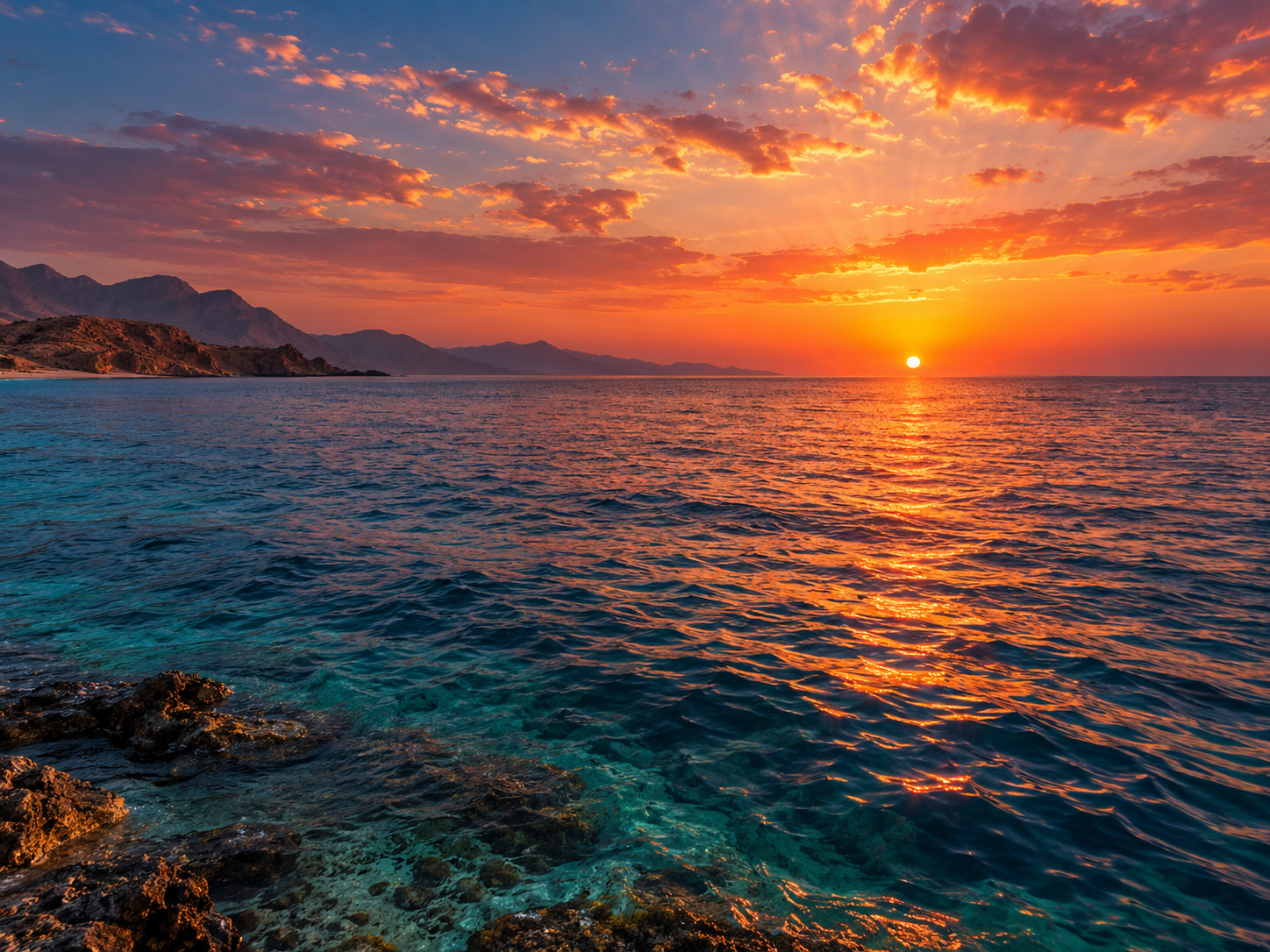
The last light gradually disappears over the water, the islands turn into dark silhouettes, and the sea retains the reflection of the sunset for a few more minutes.
A journey remembered for its silence
The Red Sea is not necessarily remembered for one specific place.
Sometimes memory preserves something completely different.
The sound of water near the boat.
Salt on the skin after swimming.
Hot sand.
Cold water after hot air.
Silhouettes of islands in the distance.
And that moment in the evening when the sun has almost set, but no one wants to be the first to return from the shore.
Perhaps this is the main impression of the Saudi Red Sea.
There is no need to constantly search for the next attraction here.
Sometimes it's enough to just stay by the water a little longer.
Comments
Share your thoughts