
Surabaya: A port city where Javanese history meets modern metropolis
Surabaya is a large port city in East Java, where old commercial districts, colonial architecture, and Arab and Chinese heritage coexist alongside modern areas. It's not a city of just one landmark, but a place best understood through its history, its people, and its connection to the sea.
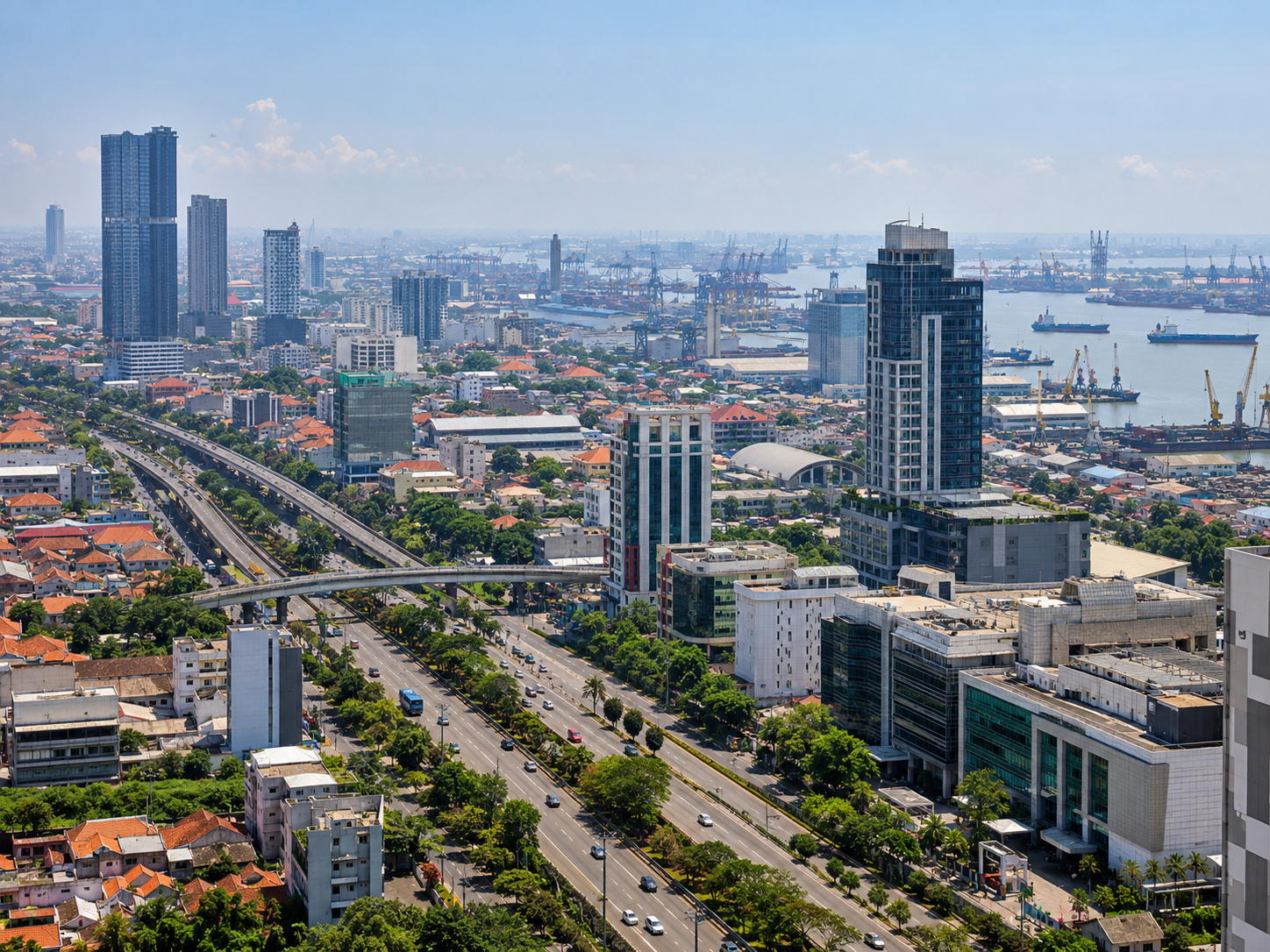
Surabaya rarely appears on postcards of Indonesia.
There is no image of a tropical island with a white beach here.
There is no single temple that defines the entire city.
There is no panorama that can be recognized by its silhouette alone.
Surabaya is organized differently.
It is a city of roads, warehouses, markets, old trading houses, port areas and millions of people who are in a hurry to get somewhere every day.
At first glance, it may seem too big and too businesslike.
But it is precisely behind this external practicality that his character is hidden.
Surabaya is a city that grew thanks to movement.
Goods.
Ships.
People.
Cultures.
And if you look closely, the history of this movement is still visible on the streets.
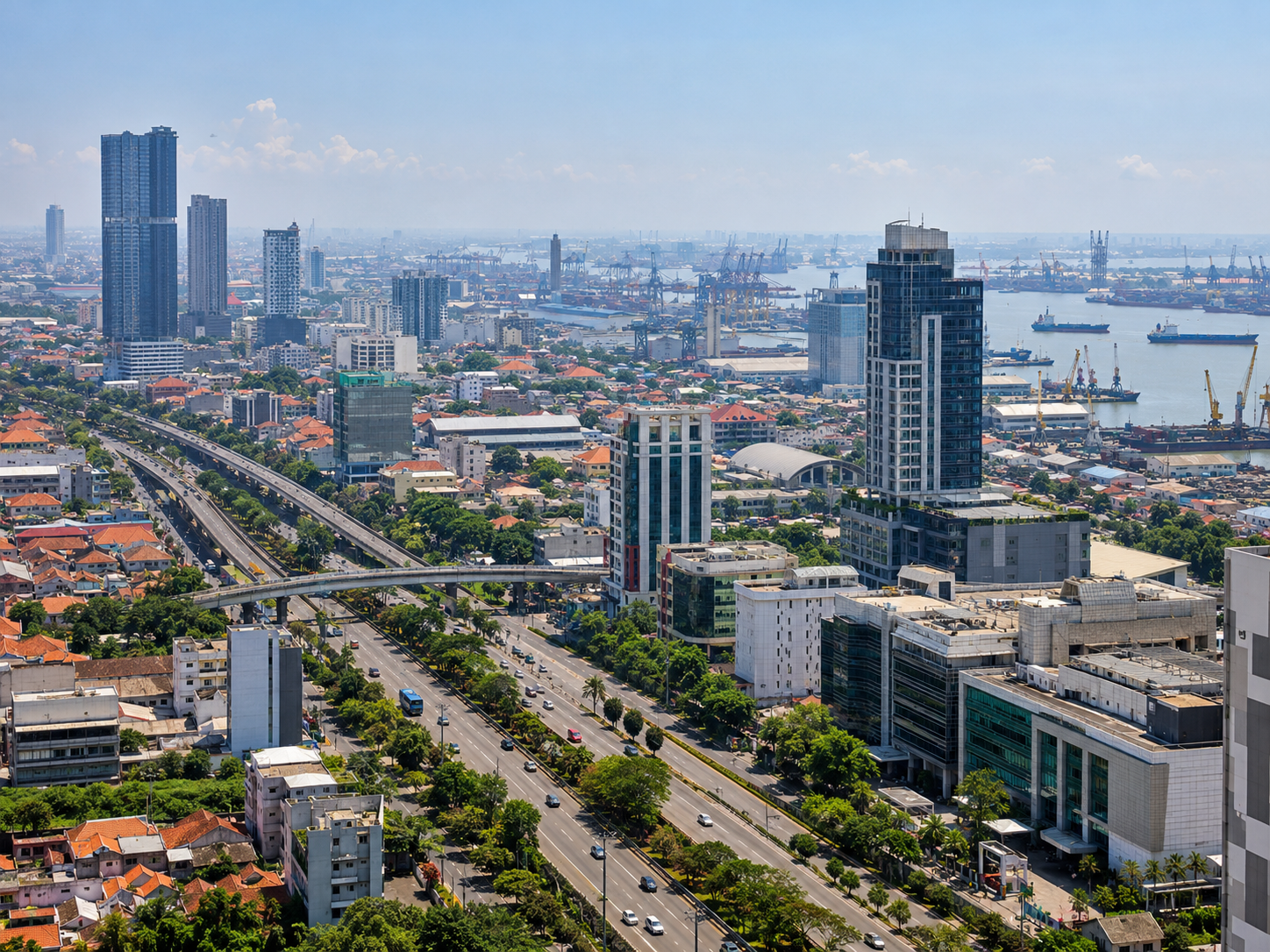
Surabaya doesn't try to be intimate: its scale is immediately apparent—wide roads, dense buildings, and a city that has grown around commerce and traffic.
A city by the sea that doesn't live like a resort
Surabaya is located on the coast, but it would be a mistake to think of it as a seaside resort.
The sea here is primarily connected with the port.
With cargo.
With fishing.
With trade.
With a history that has connected Java with other regions of Asia for centuries.
The port has shaped the city much more than the beach.
This is why Surabaya feels like a real working metropolis.
It does not exist for the sake of the traveler.
The traveler simply enters into its already established rhythm for a while.
Old shopping districts
To see another layer of the city, it is worth moving away from the modern highways.
Old Surabaya still contains buildings associated with the colonial period and international trade.
High windows.
Thick walls.
Facades designed for tropical climates.
Old warehouses.
Trading houses.
Some buildings have been restored.
Others look as if time just keeps passing through them.
What's especially interesting here is not looking for the perfect street.
It's better to look at the details.
On the old sign.
On the shutters.
A mixture of European architecture and Javanese urban life.
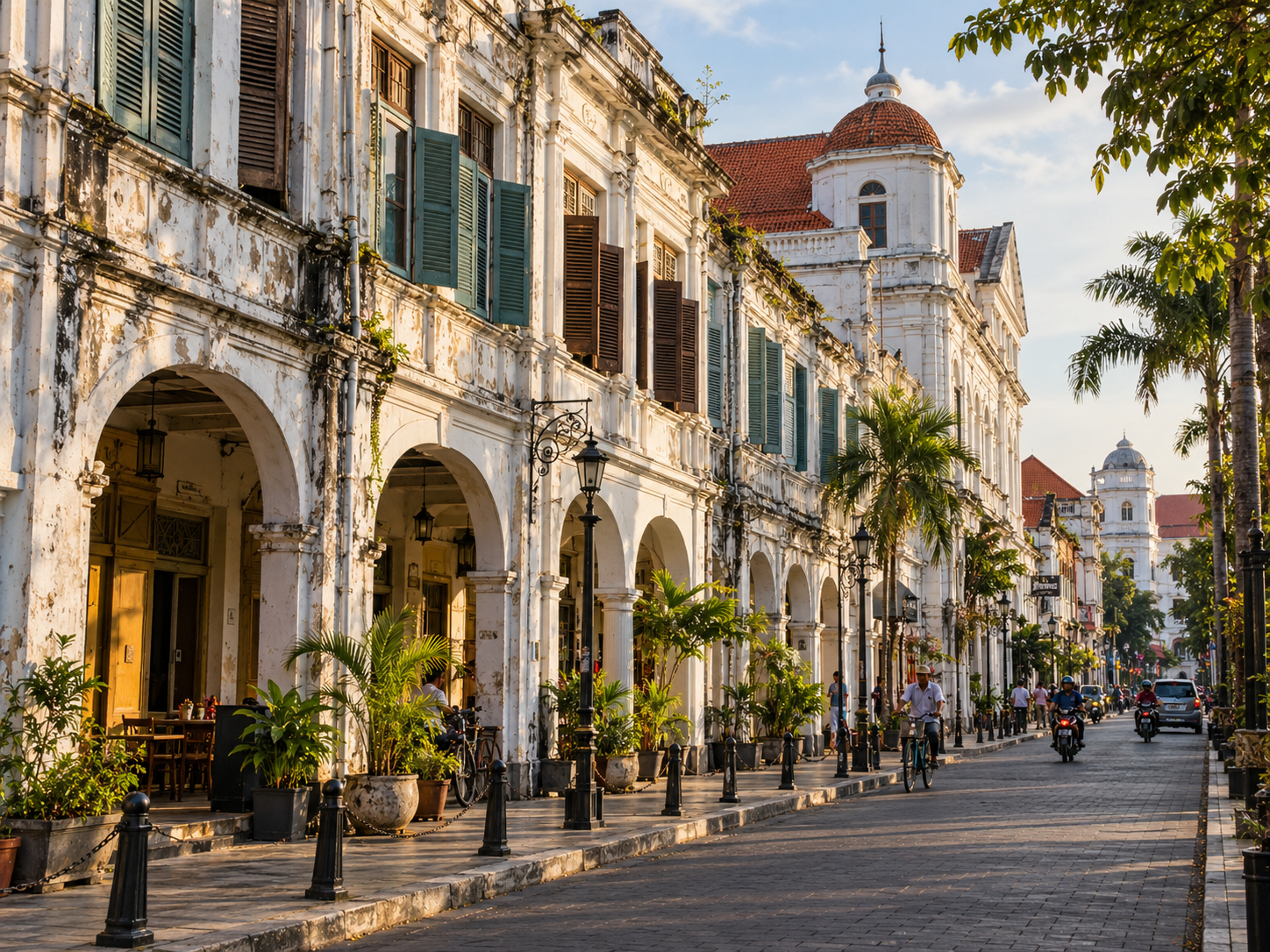
In the old quarters, the city tells its story through its facades: former trading houses and warehouses recall the time when Surabaya was one of the most important ports in the region.
The history of trade is written in different languages
Surabaya was shaped by more than one culture.
Trade routes brought people here from different parts of Asia and the Middle East.
That's why old city areas can change dramatically in just a few streets.
In one neighborhood, Chinese heritage is visible.
In the other one - Arabic.
Further on, Javanese markets and buildings from the colonial period appear.
It is precisely this multi-layered nature that makes old Surabaya more interesting than individual monuments.
Here the city is best understood not through a list of objects, but through the proximity of cultures.
Arab Quarter
One of the most distinctive areas is associated with the Arab community.
Narrow streets become denser.
Shops selling fabrics, perfumes, religious goods and spices are appearing.
The smells of food and aromatic oils mix in the air.
Architecture is becoming less formal and more everyday.
The main impression here is not created by one object.
It is created by the environment.
People go about their business.
The sellers are displaying their goods.
Someone stops for tea.
And for a few minutes the traveler ceases to be a spectator of a great attraction.
He simply finds himself inside a living neighborhood.
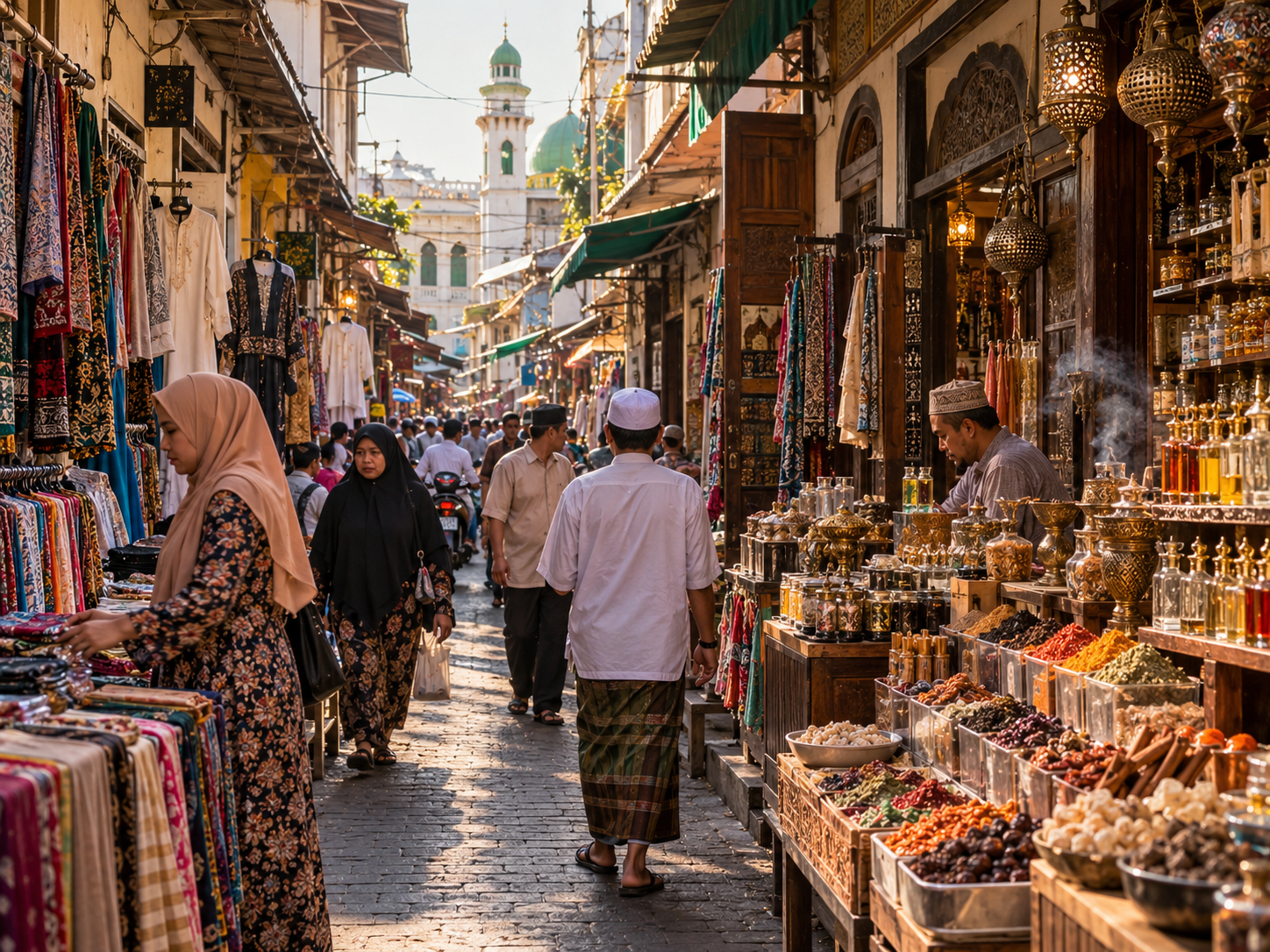
The Arab Quarter reveals a different side of Surabaya – closer, more fragrant and more human, where history continues not in a museum, but in ordinary street life.
Chinese heritage
The Chinese community also left a deep mark on the city.
Temples, shopping districts, kitchens and family businesses became part of the urban fabric.
Here you can see especially well how Surabaya has always been a city of contact.
The sea brought not only goods.
It brought languages.
Religions.
Recipes.
Architectural forms.
And habits.
Over time, all this ceased to be something alien and became part of Surabaya itself.
The market as a real city theater
If you want to see the city without a filter, you should go to the market.
Not to the mall.
Not to the tourist souvenir shop.
And where the city residents buy groceries every day.
Fish.
Vegetables.
Spices.
Fruits.
Meat.
Rice.
In the morning, such places are especially active.
Conversations are going on from all sides at the same time.
Someone is unloading goods.
Someone is bargaining.
Some people are already finishing work, although the tourist day is just beginning.
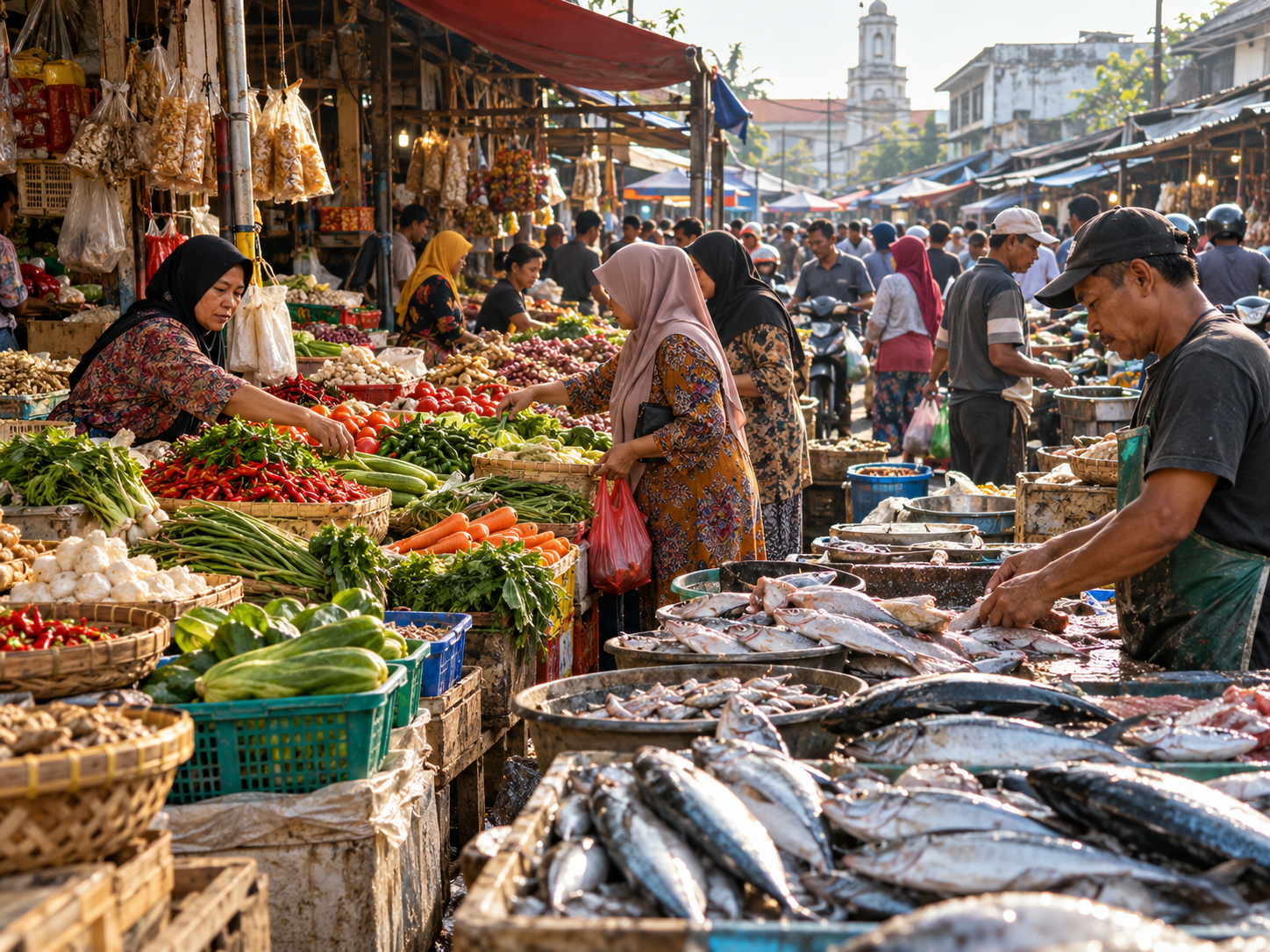
The market is where Surabaya truly comes into its own: there's no deliberately crafted tourist atmosphere here, just the everyday rhythm of the city.
The port that explains the city
If you remove the port from the history of Surabaya, the city becomes incomprehensible.
It was the sea that made it a major trading centre.
Even today, the port areas give a sense of a different scale.
Containers.
Cranes.
Cargo ships.
Small boats.
Warehouses.
The traffic is practically non-stop.
It's not necessarily the most beautiful place in the traditional sense.
But it is one of the most important.
Because here it becomes clear why Surabaya grew up the way it did.
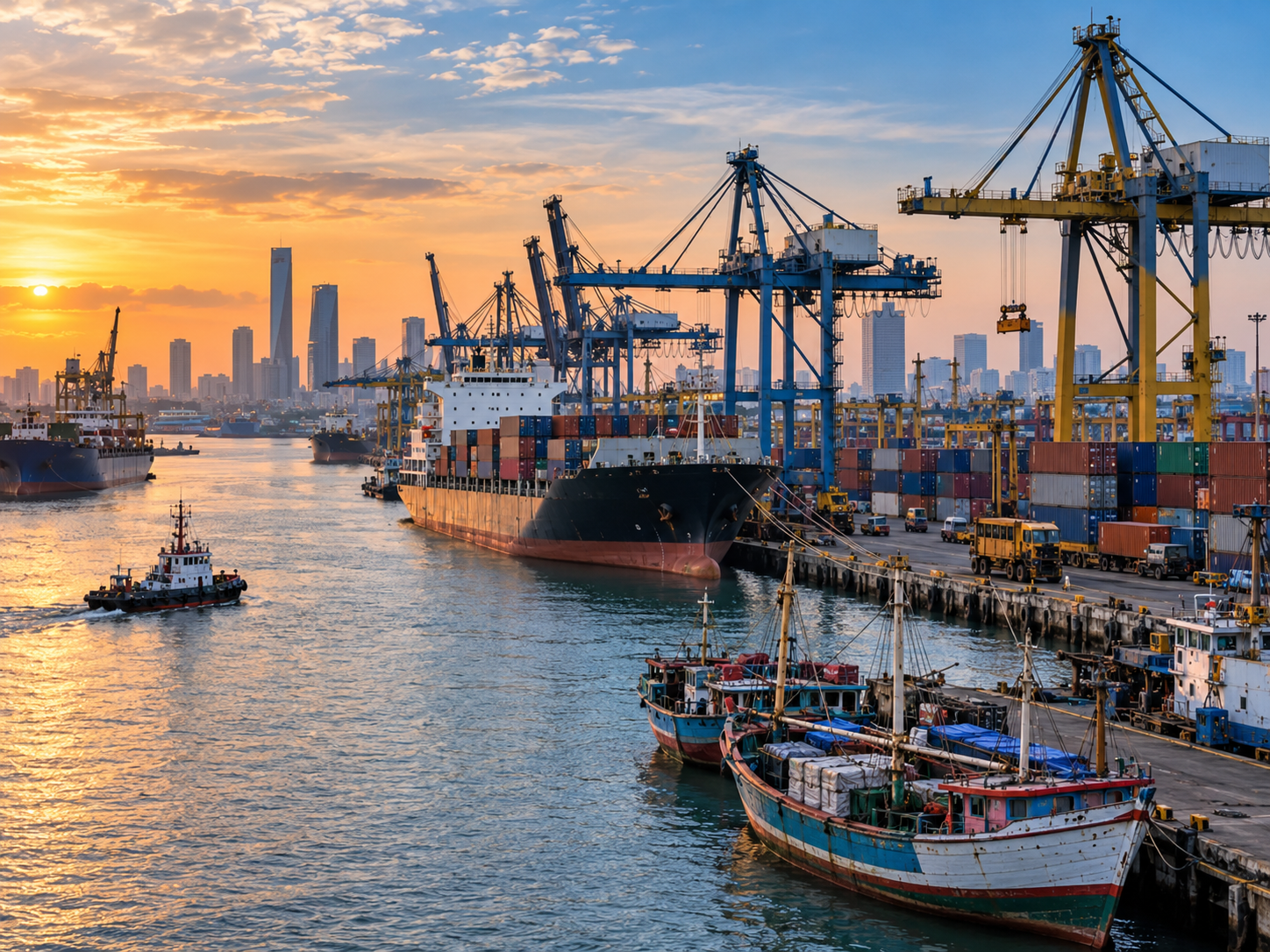
The port is not the backdrop to Surabaya, but one of the reasons for its existence: for centuries, the sea has connected the city with other islands and countries.
And suddenly - a modern city
After the old quarters, the transition to modern Surabaya can be abrupt.
Shopping centers.
High-rise buildings.
Hotels.
Cafe.
Big roads.
New residential complexes.
It looks as if the historical city has ended.
But in fact, this is a continuation of the same story.
Surabaya has always been a place of trade and movement.
Only the products, architecture and scale have changed.
City of Food
Surabaya has another language - taste.
East Java is known for its cuisine with a vibrant character.
They love rich sauces here.
Sambal.
Fried dishes.
Soups.
Rice.
Street food is often more interesting than a restaurant with a long menu.
It's best to try gradually.
One dish in the morning.
The other is at the market.
Something in the evening.
And be sure to ask the locals what they eat near their home.
Sometimes this leads to a much more interesting place than the most popular restaurant in the search.
Heat changes the schedule
Surabaya can be hot and humid.
Especially in the middle of the day.
Therefore, it is better to build a city route not like a marathon.
The morning is suitable for markets and old quarters.
The middle of the day can be spent in a museum, restaurant or a cooler room.
And in the evening go outside again.
The city is becoming softer.
The light is changing.
The movement remains, but the heat is no longer so oppressive.
Surabaya in the evening
When the city lights come on, the metropolis looks completely different.
During the day, attention is drawn to movement and scale.
In the evening - for the light.
Showcases.
Bridges.
Motorcycles.
Street cafes.
High-rise buildings.
The city does not become quiet.
But it becomes more atmospheric.
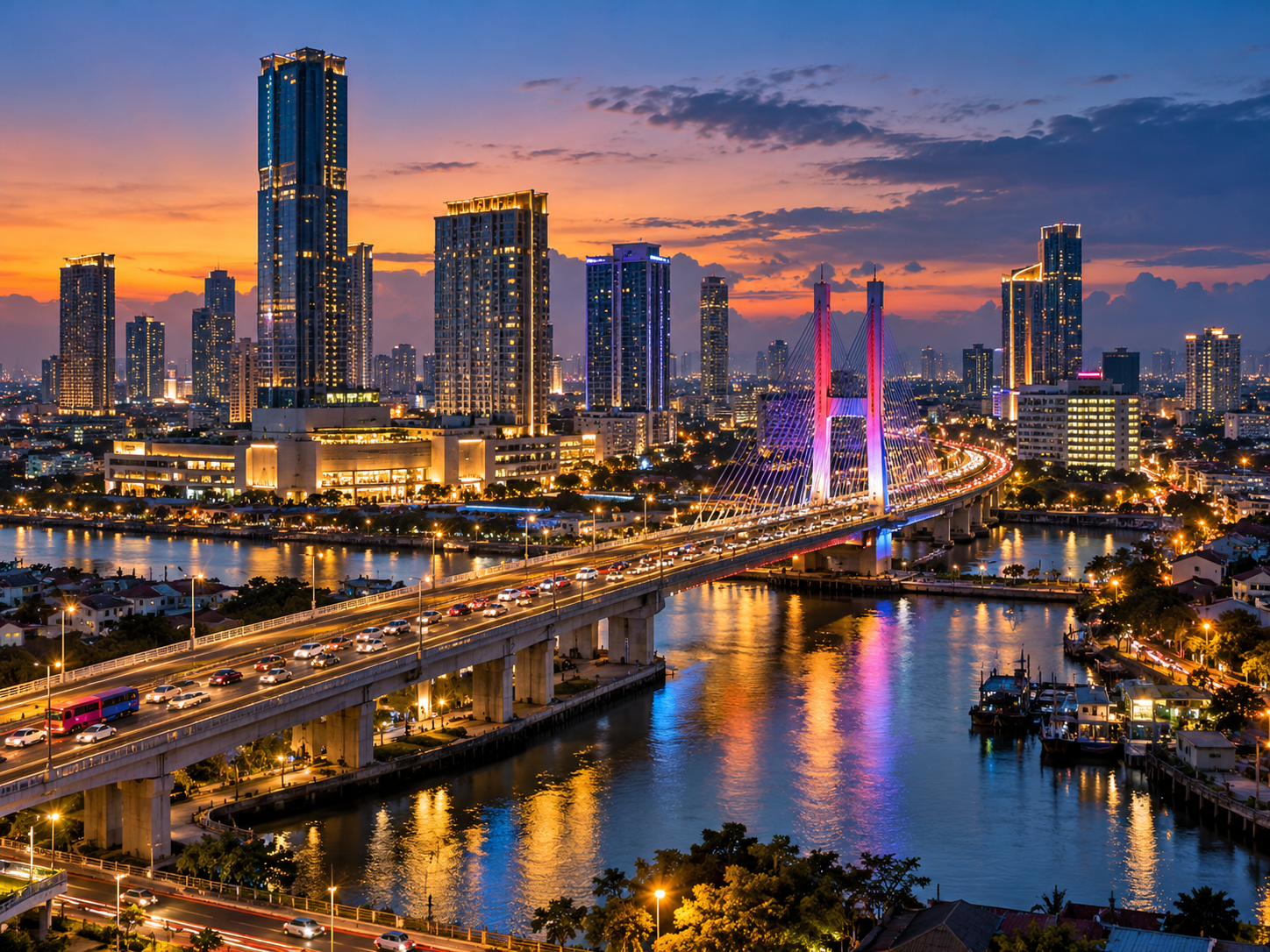
In the evening, Surabaya shows its modern side: light, traffic and the dense urban rhythm continue long after sunset.
Surabaya as the beginning of the road
For many travelers, the city becomes a transfer point.
From here we continue our journey to Malang.
To the Bromo volcano.
To other areas of East Java.
And that's why Surabaya is easy to underestimate.
Fly in.
Spend the night.
Leave.
But even one extra day completely changes the impression.
It turns out that the transport hub is also a historical city.
Port.
Cultural crossroads.
And a place that helps to understand modern Java.
Don't look for another Indonesia here
The main mistake is to expect the same thing from Surabaya as from Bali, Yogyakarta or Komodo.
She shouldn't be like them.
That's the point.
Indonesia is huge.
And Surabaya shows its urban, industrial and commercial side.
Here beauty is not always obvious.
Sometimes it is located in an old wall next to a modern office.
In the market before dawn.
In a boat next to a huge cargo ship.
In a narrow street of the Arab quarter.
Or in that moment when the evening city is reflected in the car windows on the way further – to Malang or to Bromo.
Surabaya may not be the most beautiful place to visit.
But it's precisely these cities that often make travel more authentic.
Comments
Share your thoughts